
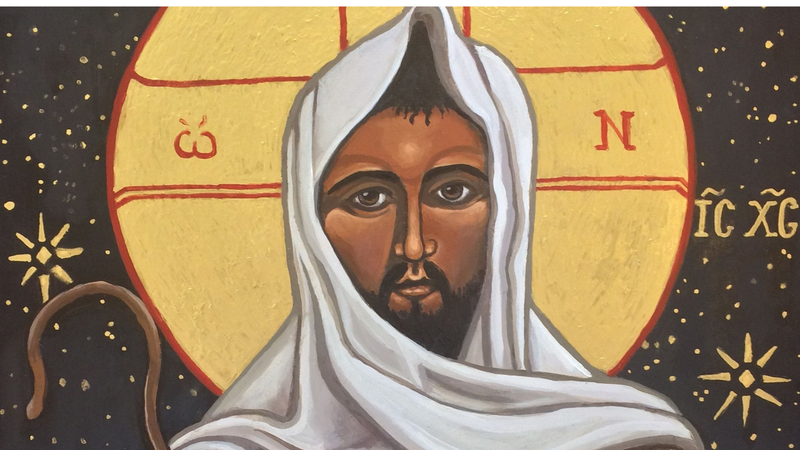
A sermon preached by the Reverend Canon Dr. David Anderson, at St. Jude’s Church, Oakville on Sunday, October 4, 2026, The Nineteenth Sunday after Pentecost (Stewardship Launch Sunday). Title: ‘The Vineyard Entrusted to Us.’ Texts: Matthew 21:33–46; Psalm 19; Philippians 3:4b–14.
I speak to you in the name of God: Father, Son, and Holy Spirit.
There’s a story Jesus tells that is meant to stop people in their tracks. It’s the parable of the vineyard—the landowner who plants, equips, protects, and prepares everything needed for fruitfulness, and then entrusts it to tenants. When harvest time comes, the landowner sends servants to collect the fruit. The tenants refuse. They beat one of the landowners servants, kill another, stone another. Finally, the landowner sends his son, hoping they will recognize the relationship, the trust, the gift. But the tenants see only an opportunity to seize what was never theirs.
It is a story about stewardship gone wrong. A story about forgetting who owns the vineyard. A story about confusing responsibility with possession. And Jesus tells it to religious leaders who had forgotten that their vocation was never ownership, but offering—never control, but trust—never entitlement, but gratitude.
The Vineyard Is Gift. The parable is sharp, but its heart is simple: everything in the vineyard is gift. The soil, the vines, the tower, the winepress, the opportunity. The tenants are meant to tend what they did not create and return fruit they did not originate.
Psalm 19 says the same thing in a different key: “The heavens declare the glory of God.” Creation itself is proclamation. The world is not silent about its Maker. Stewardship begins with remembering that everything we touch, everything we manage, everything we build, is entrusted to us—not owned by us.
And that includes the church. St. Jude’s is not ours. It is entrusted to us. It is a vineyard we have been asked to tend.
Why We Launch a Stewardship Campaign. This is why the church has a stewardship season—not because we need to “fundraise,” but because we need to remember. We need to remember who we are and whose we are. We need to remember that the ministry of this parish is not powered by scarcity or fear, but by gratitude and trust.
A stewardship campaign is not about meeting a budget. It is about shaping a life. We are not completing an administrative task. We are seeking to align our hearts with God’s generosity. All of this is about returning fruit to the One who planted the vineyard.
When we ask you to make a pledge, we are not asking you to help “pay the bills.” We are asking you to participate in the mission God has entrusted to this community. We are asking you to help us tend the vineyard.
The Fruit of St. Jude’s. And the fruit is real. The fruit looks like children learning the stories of Jesus. It looks like pastoral care offered quietly and faithfully. It looks like worship that lifts hearts and strengthens hope. It looks like outreach that feeds the hungry, and supports the vulnerable. It looks like a community where people discover belonging, healing, and purpose. It looks like the witness of a parish that believes God is still planting, still calling, still sending. This is fruit that matters. This is fruit that blesses. This is fruit that lasts. And this fruit grows because people in this parish—year after year—choose to tend the vineyard with generosity, courage, and joy.
Paul’s Invitation: Press On. Paul, writing to the Philippians in today’s Second Reading, gives us the spiritual posture of stewardship: “I press on toward the goal for the prize of the heavenly call of God in Christ Jesus.” Paul lists his achievements, his pedigree, his credentials—and then calls them loss compared to knowing Christ. He is saying: None of this is mine. None of this is the point. Not the achievements, not the pedigree, not the credentials, not any of the stuff that I have achieved, no all of that is crap (he says quite literally.) The point is the call. The point is the fruit.
Stewardship is not about what we have. It is about what we are called to do with what we have.
The Temptation of the Tenants. The tenants in Jesus’ parable fall into a familiar temptation: they begin to believe the vineyard is theirs. They cling on to it as if it is their personal possession. They grasp for more of it as if they are entitled. They protect it as if it were their own. And once that confusion takes root, violence follows—violence against relationship, against gratitude, against God.
We may not beat or stone or kill, but we do cling. We cling to our time. We cling to our resources. We cling to our comfort. We cling to our fears. And our fear convinces us that we might not have enough. We fear scarcity and so we grasp for more. And clinging and grasping is simply another form of forgetting who owns the vineyard.
Stewardship as Freedom. The irony is that stewardship is not about losing anything. It is about being freed from the illusion that we must secure our own lives. It is about being freed from the anxiety of scarcity. It is about being freed from the pressure to produce fruit on our own. The vineyard already belongs to God. The harvest already belongs to God. The future already belongs to God. Our calling is simply to be faithful tenants—people who tend what God has entrusted to us with gratitude, courage, and joy.
Why Your Pledge Matters. I want you to hear me. Your pledge is not a transaction. It is a declaration of trust. It is a spiritual practice. It is a way of saying: “I believe in the mission of this parish. I believe in the God who planted this vineyard. I believe in the fruit we are called to bear.”
Your pledge allows us to plan faithfully. It allows ministries to flourish. It allows outreach to grow. It allows us to care for this building, this staff, this community. It allows us to tend the vineyard with intention rather than anxiety. Your pledge is part of the fruit.
The Cornerstone. Jesus ends the parable with a line from the Psalms: “The stone that the builders rejected has become the cornerstone.” Stewardship begins and ends with Christ—the rejected one who becomes the foundation of a new creation, a new community, a new way of living.
We are not asked to produce fruit alone. We are not asked to secure the vineyard alone. We are not asked to carry the mission alone. Christ is the cornerstone. We are the tenants. The vineyard is God’s. The harvest is God’s. And the invitation is grace.
A Final Word for St. Jude’s. As we begin this year’s stewardship campaign, I want to say something simple and true: Thank you. It may be true we haven’t said ‘thank you’ enough. I would like to correct that. I want to say a very clear and heartfelt thank you to each person who participates in the shared mission we have as a parish family. Thank you for tending this vineyard. Thank you for your generosity, your faithfulness, your courage. Thank you for the fruit you have already borne.
And only after I have said thank you, do I want to invite you—gently, prayerfully, joyfully—to make your pledge for the coming year. Not out of nay sense of obligation, but out of gratitude. Not out of fear, but out of trust. Not because the church needs something from you, but because God is calling something forth in you.
Stewardship is not primarily about giving. It is really about remembering who we are. It is about remembering whose we are. It is about remembering that the vineyard is gift, the fruit is grace, and the call is joy.
The vineyard is God’s. May we be faithful tenants—grateful, courageous, generous—pressing on toward the goal, bearing fruit worthy of the One who entrusts the vineyard to us. Amen. +

